Since the explosion of Large Language Models (LLMs), a wave of disruption has quietly swept through every industry. While it is impossible to list every sector currently in flux, the sheer volume of new demands from startups and the AI-driven overhauls of traditional businesses serve as constant reminders of the magnitude of this shift. However, unlike the macro-narrative of business-driven AI, the actual impact of LLMs on the average person remains somewhat elusive—even for programmers standing at the forefront of this change.
Two weeks ago, while taking care of my child alone, I noticed a letter-tracing worksheet she brought home from daycare. It hit me that she was starting to grasp the concept of “homework.” In the United States, expecting a daycare to provide Chinese writing practice is almost a luxury. To help her build a foundational feel for writing Chinese characters, I decided to follow the pace of children growing up in China and create some practice sheets for her. After searching online, I found that most Chinese calligraphy worksheets are designed for older students or adults. For a child who can barely hold a pen steady, writing small characters is simply too challenging. I found a site called E-Zitie that offered exactly what I needed: large characters with stroke order guides. However, while the basic service is free, any customization requires a paid membership. Although the 38 RMB/year fee is negligible, the website’s UI felt like something from three generations ago, making me doubt its ability to meet my long-term needs.
Last week, a thought struck me: Why not build this tool myself? For a programmer with a background in infrastructure and backend development, building a web app is actually quite a daunting task. In my previous personal projects, the most time-consuming part was always the meticulous frontend tweaking. Even setting aside the frontend, architecting a backend that meets professional engineering standards is an exhausting endeavor. Whenever I thought about the sheer volume of work involved, my inner laziness would whisper: Just pay for the membership.
But this time, I started with an unusual level of confidence. My recent experiences using language models and practicing “Vibe Coding” (as coined by Andrej Karpathy) taught me that AI is already incredibly capable of building prototypes. So, during the gaps in my parenting duties, I wrote a 300-word requirement and design doc. What followed was a highly efficient dialogue: about 10 minutes of AI generation and another 10 minutes of fine-tuning. Gemini-CLI, powered by the latest Gemini Pro model, helped me stand up a clean, functional website in no time.
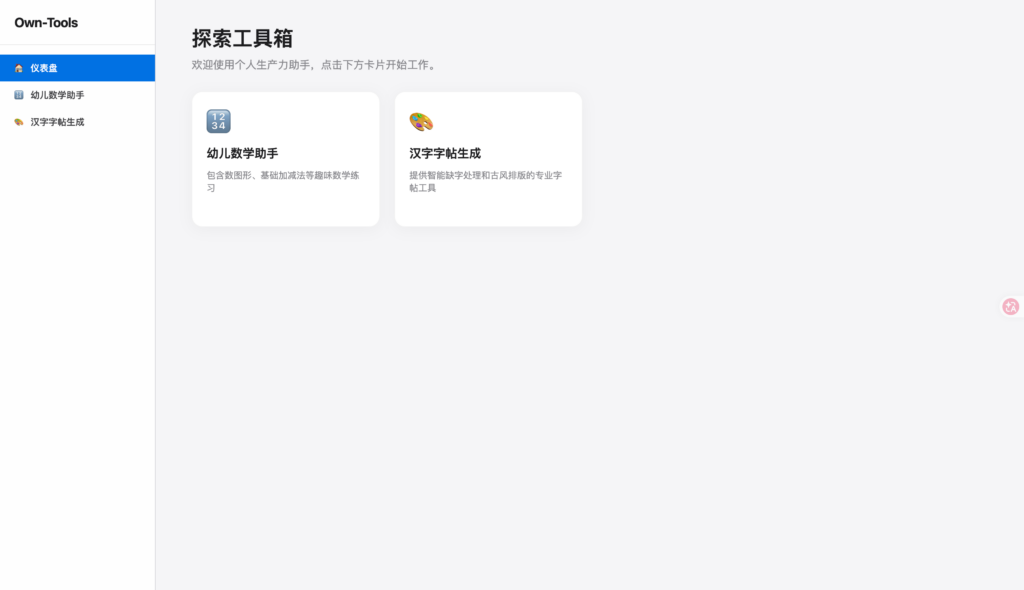
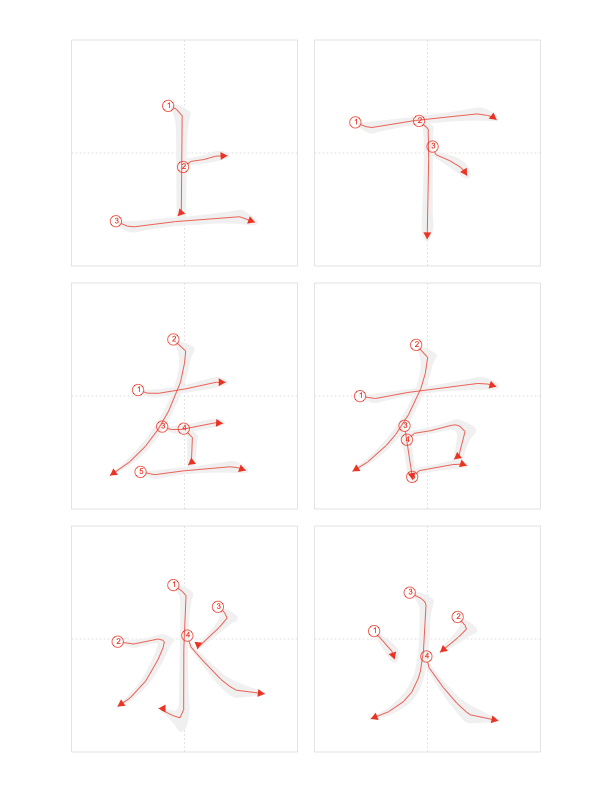
The project is currently hosted on my personal domain and can be accessed at toolbox.pengzhan.dev.
In less than 30 minutes, I was already printing out tracing sheets for my child to doodle on. This sense of instant gratification gave me a deeper realization of how AI will shape our future:
Software creation is becoming a task anyone can perform, regardless of coding ability. This means that as long as you are willing to spend a few cents on LLM API calls, you can easily build what was traditionally considered a “program.” The barrier to entry for programming has dropped significantly. More importantly, when everyone can be a Product Manager, the question of “who implements it” becomes secondary. Take education as an example: if you are a physics teacher explaining force analysis, an editable PPT might capture your logic, but it’s hard to make it look right. Existing educational software might demonstrate the concept, but it might not align perfectly with your teaching style. So, why not let AI build a bespoke, web-based teaching demo just for you?
Highly customized and truly innovative needs will define the human contribution to future software engineering. Since basic needs are now easily met, where does human value lie? Clearly, AI still struggles with unique, highly specific requirements or completely innovative explorations. Even when AI can “stitch together” a solution, the process is often laborious and requires constant human guidance. For instance, because AI still lacks precision in visual positioning and coordinate handling, the generated PDF had a persistent offset bug that AI couldn’t fix. Despite my lack of familiarity with the gopdf library, I had to dive into the source code myself to identify the error in 2D coordinate calculations. This “last mile” limitation is the current bottleneck of AI. Similarly, for completely unknown technical problems—like a Unix Socket error I encountered last week—LLMs (at least the latest Gemini-3.1-Pro) still cannot find a breakthrough using purely statistical logic. That human “spark”—an efficient activation of massive, compressed knowledge—remains far beyond the reach of current AI architectures.
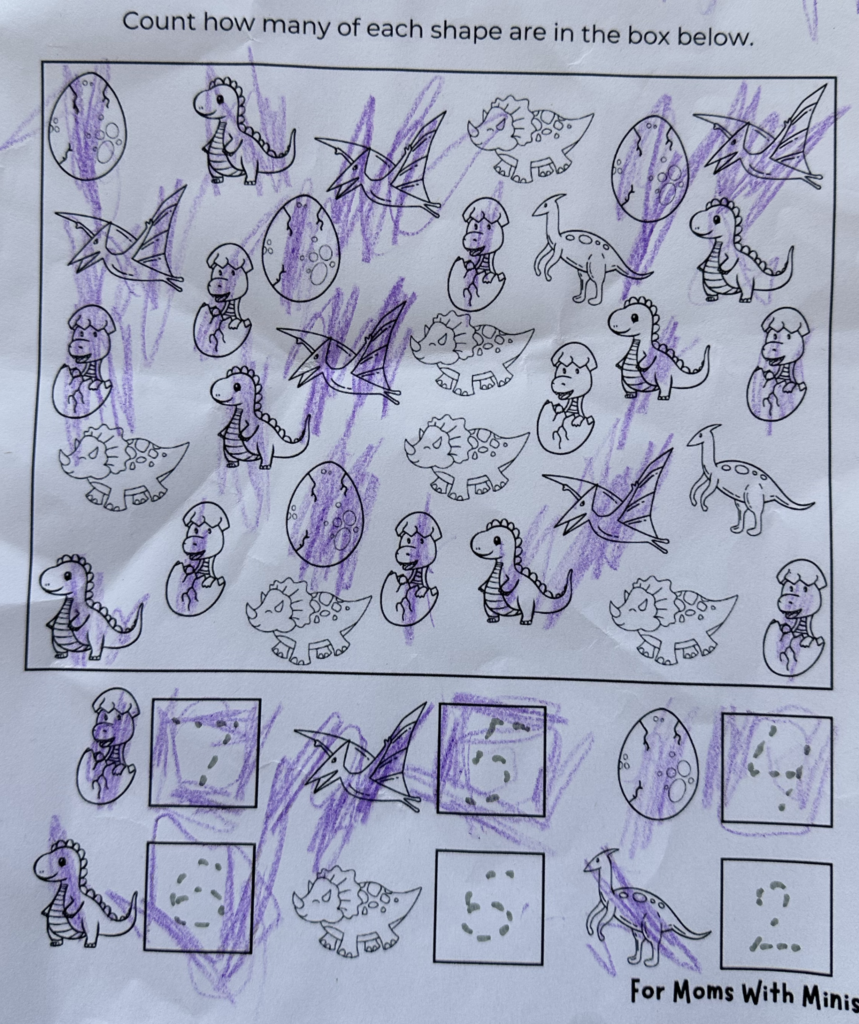
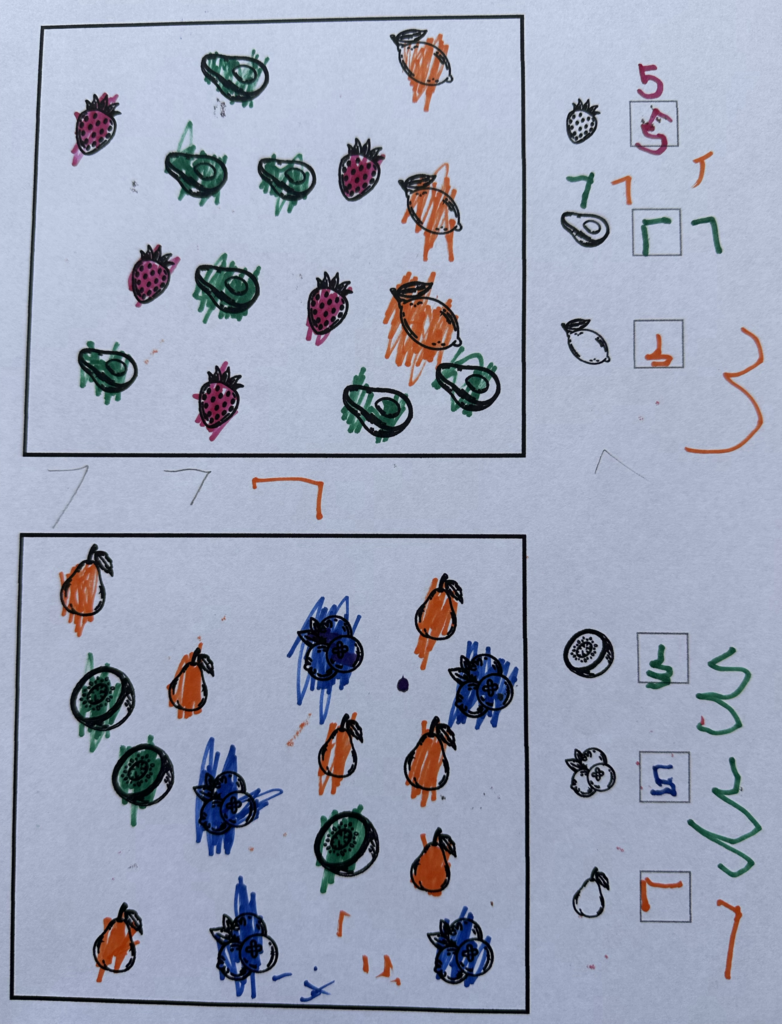
As LLMs enter the next phase and supporting tools mature, the very form of education will undergo a massive transformation. The power of LLMs is both transformative and “disruptive.” My initial goal was just to satisfy a need for writing practice, but the success of this tool made me realize the possibilities are much broader. Recently, I noticed my child struggling with counting worksheets from school; she often didn’t understand the instructions, leading her to color the wrong items or fail to fill in the counts correctly. So, I customized a new feature for her: I let the AI randomly generate similar counting exercises. This approach—completely on-demand and randomly generated—not only reinforces the skill but also prevents “false mastery” caused by repeating the same static problems. This is the true cornerstone of “student-centered” personalized education: it’s no longer just a theoretical ideal, but a tangible infrastructure we can finally build.
We cannot predict exactly what comes next. But I stand in awe of this wave of change, and I am deeply excited to witness the next evolution of human society.
Leave a Reply